Friday, August 14, 2009

Floral scallop and shrimp ceviche with Tom Kha Het soup

Tom Kha huh? Tom Kha Het. It's a Thai soup, its name means "boiled galangal mushrooms". I've had it in a couple different Thai restaurants and it's always been wonderful, so I decided to try my hand at it.

To further add to my evening of culinary experimentation, I decided to make a ceviche, something I had also never done before.

No, I didn't get sick. Neither did my husband. And everything tasted great.

Crustaceans and molluscs and fungi, oh my!

Sorry, had to.

Anyway, let's have at some nutritional facts:

Scallops are rich-tasting little sea morsels that are brimming with Vitamin B12, tons of minerals and plenty of protein.

Shrimp too are rich in B12, minerals and protein, but also have healthy doses of Niacin (B3) and Vitamin D (which this country is apparently having issues with, so eat up).

Did you know that Saffron is loaded with Manganese? This glorious stuff gave my ceviche that vibrant golden hue, by the way.

Lavender, one of my very very favorite flowers, has been used medicinally for centuries as an anti-inflammatory and an antiseptic. It's also used in aromatherapy as a relaxation and sleep aid. I keep a little bottle of lavender oil to trickle into my bath water, I can attest to the wonder of it. Note: Pure lavender oil is extremely potent stuff and must be dilluted if you intend to use it. Use it in base lotions and bath water, do not cook with it!

What you cook with are the flowers, all dried up and bottled. You can generally find it in the spice aisle of your local grocery store. Might want to call ahead first.

I'm rambling here, let's get on with the cooking (or acidic denaturing of proteins, in the case of the ceviche). This will make two servings:

1/4 lb. sea scallops, cut into quarters (to be honest, I wanted to buy the smaller bay scallops and leave them whole, but my grocery store only had them frozen in the back, and I needed them fresh)

1/3 lb. large shrimp, cut into pieces to match the size of your scallops

5 oz. coconut milk (as a wise man would say, this is a "sometimes food")

Enough chicken stock to achieve your desired soup consistency

1 and 1/2 Tbsp. ground lemongrass (if you can find this stuff fresh, more power to you, I just bought it in a tube next to all the fresh herbs)

1 Tbsp. fresh ginger, grated

1 and 1/2 tsp. of anchovy paste (use fish sauce if you have that around, but it's basically just anchovy, salt and water anyway)

4 cremini mushroom caps, chopped (I would have used oyster or shitake mushrooms for this if I were less budget conscious)

2 cloves of garlic, minced

1/2 cup of chopped green onions

A palmful of chopped cilantro

1/2 lemon's juice

1 whole lime's juice

2 Tbsp. sesame oil

1/4 tsp. crushed red pepper (you can substitute these for some sliced serrano chiles if you really want this soup to bite back, I just wanted a little burn)

1 pinch of saffron, soaked for a couple minutes in 1 Tbsp. of very hot water (this stuff is measured in pinches because it's worth its weight in gold. Trust me, a little goes a long way, and it's worth every penny)

1/2 tsp. dried lavender, crushed

To taste salt, fresh black pepper, whatever else you see fit

You might be asking yourself "hey, where's the galangal?"...well, I don't know, but I'll tell you where it's not! Any grocery store near my house. I substituted it for ginger, even though most Thai cooks will frown on that. Sorry! Tasted mighty good to me either way.

The ceviche will need to marinate for up to 12 hours for complete doneness. If you just want it about half-opaque like mine was, aim for 3 or 4. To make the marinade, combine all of the lemon juice and half of the lime juice into a bowl, add a dash of the sesame oil, the saffron and the water you bloomed it in, the lavender, a small palmful of the green onions and a little salt and pepper. Mix well, make sure every piece is well coated. Keep it in the refridgerator, stiring once an hour or so.

When your ceviche looks and feels right to you, start your soup. Heat the remaining sesame oil in a sauce pan (medium low) and add your garlic. Get that a little soft, then add the mushrooms. Cook those until they're brown, add the red pepper and some black pepper. If you're using fresh chiles, they'll go in with the mushrooms.

When the mushrooms look good, add your coconut milk, lemongrass, ginger and anchovy paste (or fish sauce). Add chicken stock until your soup reaches a thickness you like. That will need to simmer for about 5 minutes, then add the remaining green onion and simmer for another 5 minutes. Taste the soup and salt accordingly.

Add the cilantro and reserved lime juice to your soup just before serving. I garnished my ceviche with a little lime wedge and some green onion.

Enjoy! Do come back.

Wednesday, August 12, 2009

Balsamic curry chicken with butternut squash macaroni and cheese


At first glance, this looks like a standard American meal. A meat, a starch, a creamy sauce and an absentminded "oops" on the veggies. However, once you learn that there aren't any yellow cheeses in that sauce, it starts to unravel.

Yep, there's cooked butternut squash purée in the sauce. Sneaky, huh?

And it tasted great.

If butternut squash is something you don't even think about outside of Thanksgiving, allow me to explain why it should be popping up in your cooking more often. This tasty, creamy, sweet veggie is a ninja among produce, able to work its way into cakes, sauces, soups and smoothies without issue. Not only that, it's a fantastic source of Vitamin A, Vitamin E, several B Vitamins and Potassium. There's also plenty of fiber in there, not to mention those carotenoids we've been on a kick with.

Shall we cook?

This will make two servings:

1 cup macaroni pasta (use whole wheat if you can)

1 Tbsp. sweet butter

1 Tbsp. all-purpose flour

1 large chicken breast, pounded thin

12 oz. of frozen butternut squash purée (that's one package, usually. It'll be with the rest of the frozen veggies)

2 cloves of garlic (minced)

1 medium shallot (also minced)

1 to 2 splashes of 2% milk

0.2 lbs. young asiago cheese

0.2 lbs. fontina cheese (Fun Fact: Bobby Flay has called fontina "the perfect cheese", and I completely understand why)

1/4 cup of grated parmigiano reggiano

1 Tbsp. balsamic vinegar

1 and a 1/2 tsp. curry powder

1/4 tsp. fresh grated nutmeg

To taste sea salt, fresh cracked black pepper, smoked paprika (I like this stuff in the sauce), marjoram, whatever you'd like. I had an extra slice of havarti left from the burgers last night, so I tossed that in there.

First thing's first, get some water on to boil for the pasta (don't forget to salt it).

Melt the butter in a sauce pot and whisk in the flour. Cook your roux for a minute, then add your minced onion and garlic. Cook for another minute of two, then add your milk, whisking to break up lumps. Take it easy on the milk, you're just making a little something to melt that squash into, it'll make up the majority of the sauce's body.

Speaking of which, when that's nice and hot, add the squash. If you thawed it first, great, if not, it'll melt into the sauce in a matter of minutes. Add your nutmeg and whatever else you'd like (omit salt until the end). Let that simmer for a little while.

After you pound out that chicken, rub the balsamic on each side, coating it evenly. Put half the curry powder on one side, half on the other, season each side with salt, pepper and whatever else you like on your chicken. It'll need to cook in a medium heat skillet for about 4 minutes per side, less or more depending on the thickness. Don't overcook it.

You should cook your pasta while the chicken's searing, as well as gradually melt your cheese into the sauce. Everything should be done at about the same time.

Plate and serve! Prepare for looks of surprise and delight.

Tomorrow, I'm making a ceviche. Ever had it? Me neither! Hope it doesn't suck! Do come back.

Tuesday, August 11, 2009

Coffee crusted havarti burger with chile aioli and sofrito broccoli


There. Finally. The burger. Mmm.

This was almost as interesting as it was delicious. I've seen some of my favorite chefs crust things like steak in coffee before, and I had always wanted to try it. Take it from me, it's an excellent idea.

We've recently covered the benefits of chiles and broccoli, so I will focus only on the new arrivals to the party.

Beef! The official protein of the Western diet. Most nutritionists will tell you to take it easy on red meat, and frankly, I'm not going to disagree with them. While beef is a good source of several B vitamins (particularly B12) and iron, there are leaner, more versatile, more nutrient rich proteins out there that have a far more impressive historical track record of maintaining good health and narrow waistlines.

That being said, while I generally try to cook chicken and fish, I see nothing wrong with indulging in a little red meat up to once a week. A rare (and I do mean mooing, folks) steak or burger, perfectly seared and seasoned, is a joy dare not even consider surrendering.

Coffee is something I wish I liked more in its brewed form. It's been linked to lower instances of Alzheimer's Disease, Parkinson's Disease and cardiovascular disease. It's also rich in antioxidants. Now, do not think for one second that the venti 2% iced peppermint white chocolate mocha with whip and sprinkles you just guzzled is doing you more good than harm. A drip coffee (caffeinated) with minimal added fats and sugars is what you need to aim for to get those benefits.

Okay, let's talk about whole wheat. It's a tale of passion, excitement, suspense and lost love (well, at least lost nutrients). Here we go.

Long ago, there was no white flour. Wheat flour, a product filled with nutritious, perishable oils and compounds that could not travel far, was all we had available to us. With the advent of some new technology, we were able to polish away the bran and germ from our grains, leaving a soft, white powder comprised entirely of endosperm, a nutrient poor, energy rich substance (we call those empty calories) that never seemed to go rancid.

After epidemics of pellagra and beriberi broke out, along with a general decline in the health of the population consuming these new refined grains, millers began fortifying their grains with B vitamins and other micronutrients to compensate for what had been stripped away during processing.

The underlying issue with this is a huge part of the book that inspired this blog. Nutrients taken outside of the context of the foods that contain them are not nearly as effective as whole food. Why? Because we didn't evolve as a species consuming stuff like Vitamin Water, we did so eating whole produce and proteins.

If we really had a handle on how to break down food into individual nutrients and rebuild them to full capacity, then why can't we develop a baby formula that even touches the benefits of real breast milk for newborns? Yeah, chew on that nutritionism.

Wow, this post is getting a little tl;dr. Let's get on with the recipe.

This will make three servings:

3 ground beef patties (4 oz. each, grass-fed, antibiotic and hormone-free)

A little bit of ground coffee (I used a French Roast, you don't need much at all)

3 whole wheat kaiser rolls

Some chile aioli (mine was made with about 1/4 cup mayonnaise, juice of 1/4 lemon, 1/2 clove fresh garlic, and 3 dried, stemmed, seeded and crushed Guajillo [wah-HE-yo] chiles, a palmful of cilantro, sea salt and pepper, that was enough for me, my husband and our friend who was visiting)

3 palmfuls of fresh arugula

1/2 cup of sofrito (mine had 3 cloves of garlic, about 1/6 of a red onion, a handful of cilantro, 1/4 cup of olive oil, 12 or so cherry tomatoes [quartered], salt and black pepper. It was cooked over low heat until the veggies were softened a bit)

About 15 broccoli florets (I bought a head of it and snipped them off myself, so I have a leftover stem to toss into a stir fry or something later)

3 slices of havarti cheese

To taste salt, pepper, spices and what have you

I started by making my aioli. The peppers and the coffee both got the same food processor treatment (this isn't recommended if you're ever brewing coffee. You really do need a grinder for that). Combine the dried chiles and the rest of the aioli ingredients, stir to combine, cover and refridgerate.

Preheat your oven to 350° (we're being wimpy on the temperature here to not burn the sofrito). Toss your sofrito and broccoli florets together on a baking sheet and get them in the hot box. They'll cook for 15 or so minutes on one side, then turn the florets, and back for another 5-10.

While that's working, you can make your burgers. Salt and pepper your beef patties and then crust them in the ground coffee much like you would bread crumbs. Preheat a grill or heavy pan (love cast iron for this) to medium high heat. Those should cook about 3 minutes per side for medium rare. When you take these off the heat, immediately add the havarti so it melts on top. These burgers should rest in aluminum foil for a few minutes before serving.

Toast your buns, smear a little aioli on the top bun, stick your arugula to it, put a burger patty on the bottom bun and combine. Cut it in half for easier consumption.

Garnish with some extra cilantro if you'd like. And I do like. Mmm, cilantro.

Fun Fact: There is a small but extremely vocal minority of people who really, really hate cilantro (I would link the cilantro hater website, but Google told me it wasn't safe).

Come back tomorrow for some first class vegetable sneaking.

Sunday, August 9, 2009

Spinach pistachio pesto


Note: I couldn't hold the camera still to save my life, sorry for the blurry image. Also, my dining room table has been hijacked by other interests for the time being, leaving me with the less romantic canvas of my cutting board. I'll see if I can find a better spot to snap the shot for the burgers tomorrow.

My husband and I decided to go out and satisfy a barbeque craving for lunch earlier today, so I've again postponed the burgers in favor of a lighter meal that I had originally planned on making today anyway. I've made pesto dozens of ways and have never met a pesto I didn't like. It's herbaceous, it's my favorite color, there's olive oil, there's garlic, what's not to swoon over?

Here's a couple reasons why this speedy dish (I'm talking less than 15 minutes here) is not only convenient, but great for you:

Garlic is a fantastic, pungent aromatic that has been used medicinally by cultures around the world for thousands of years. Not every purpose for which it's been used carries much scientific merit, but some of the more researched benefits include anti-inflammatory effects, lower blood pressure, decreased risk of cardiovascular disease and cancer (garlic is rich in antioxidants), and strengthening of the immune system.

A personal anecdote here, there once was an Ethopian man named Mulu who worked at the kiosk next to mine. He ran an embroidery business and worked 11 hours a day (in a mall, no less. Lots of potential for contagious illness floating around). Mulu very, very rarely got sick, and when he did, it never lasted more than a day. When I would ask him what his secret was, he would always say one of three things: Spicy peppers, Noni, and above all else, raw garlic.

Pistachios are tasty little nuts that have a unique, almost buttery flavor. They are rich in healthy unsaturated fats, as well as Thiamine (B1) and B6. Nuts are also a fantastic source of protein and fiber. Most health experts will recommend eating at least a palmful of nuts a day, but take it easy on them after that though, as they're pretty high calorie.

Are you sick of spinach yet? Of course not! It's delicious and great for you! Besides, when you're only cooking for two, it takes a few dishes to plow through an entire bag of the fresh stuff. Sneaking spinach into something creamy and decadent like pesto is a very effective way to get someone who may not like veggies to chow down, by the way.

Let's get into the recipe.

This will make two servings:

1 and 1/2 cups of penne rigate pasta (I'd use less if I had paired this with a meat, but since it's standing alone here, I went a little heavy)

1 good-sized cube of parmigiano reggiano, chopped (mine was about 1 inch)

2 cloves of garlic

1 heaping handful of fresh spinach

1/4 cup of extra virgin olive oil (it needs to be extra virgin)

1/3 cup of raw unsalted pistachios (if you can't find them unsalted, just account for that later when you're seasoning the pesto)

1 handful of fresh basil

To taste sea salt, fresh cracked black pepper, whatever else you'd like. Lots of folks (my dad for example) like to finish their pesto with fresh lemon juice. I would say that is a mighty fine idea.

First thing you'll want to do is get the water on to boil. Cooking your pasta (don't forget to salt your pasta water) is the most time consuming part of this meal.

Combine the remaining ingredients into a food processor and purée until smooth. Taste it and adjust seasoning appropriately.

Make sure your pasta and the dish you serve it in isn't piping hot. Pesto needs to be served warm or even room temperature, not hot, or else the cheese will begin to melt and you'll have an ugly, oily, clumpy mess instead of a smooth, consistant purée.

Combine the pasta and pesto sauce and serve.

Yeah, that's really it. Isn't pesto the best thing in the world?

Now, burgers next, I promise. Do come back.

Saturday, August 8, 2009

Rain check!

My husband is out with some buddies watching an MMA PPV, and since I certainly don't want him to miss out on these uniquely delicious Cubano burgers I've planned, I'm going to wait until tomorrow to make them. Check back tomorrow for some tasty fusion cuisine.

Friday, August 7, 2009

Smoked salmon bisque with creamy spinach


I was gonna really French this thing up and make a spinach soufflé, but I wasn't feeling all that well last night so I opted for a less labor-intensive side dish. I'll post the picture in a matter of hours.

They say that the true culinary might of a chef lies in their soup. Why? Because making soup is the ultimate challenge of texture, viscosity, layering and depth of flavors, on-point seasoning and balance of ingredients. That being said, don't kick yourself if this isn't perfect the first time you make it.

Making note that there aren't any ingredients in here that weren't recently covered from a health standpoint, I'll jump right into the ingredients. This will make two servings:

3 oz. smoked wild salmon

1 shallot (finely minced)

2 cloves of garlic (also minced)

3 Tbsp. sweet butter

1 and a 1/2 unpacked Tbsp. of all purpose flour (unpacked meaning don't pack it down to measure it)

1 tsp. of dried dill

1 tsp. of dried thyme

1/2 tsp. freshly grated nutmeg (throw away your pre-ground stuff and buy the real deal. The difference between fresh and not is the same as black pepper. Every béchamel you make for the rest of your life will thank you, I promise)

1/8 tsp. cayenne pepper (this is here for depth and tingle, not burn)

About 1 cup of half and half

About 1 cup of chicken stock

10 oz. chopped frozen spinach, thawed and squeezed of excess liquid

1/2 lemon's zest and juice

To taste salt, fresh black pepper and whatever else you see fit

The measures for liquid are approximate because if you like a thinner bisque or a thicker bisque those are what you should adjust. Just like any sauce, don't season this soup with salt until you have reached your desired thickness. When I first began cooking, no one really let me in on this. It's much better to have a light touch with salt, as you can always add more.

Finally, let's cook!

Melt two Tbsp. of the sweet butter in a saucier or a large sauce pot and the remaining Tbsp. in a separate skillet, both over low heat. When they've melted, whisk the flour into the sauce pot gradually, you want a smooth paste. This paste you've just made (called a roux) can be cooked for varying periods of time depending on what it is being used to thicken. Since we're essentially making a béchamel, you'll want a light roux, so cook it for just a minute until it turns a pale golden color and no longer smells like raw flour. Add the shallot and cook it for a minute as well.

At this point, you'll want to gradually add your half and half, one splash at a time, whisking fervently to break up lumps. Let this heat through, then add a little more. Don't rush this part, you'll regret it. You can bump the heat up to a medium low at this point, the soup can very gently simmer, but don't let it boil.

You'll want to add chicken stock at this point to thin it out a bit. Add your lemon zest (save the juice for later) herbs and spices (save 1/8 tsp of the nutmeg for the spinach, crush the herbs up in your palm first to freshen up those essential oils), omitting salt. The salmon can go in now too, I minced mine pretty fine, but you can leave it in larger fishy morsels if you would like. Let that stuff simmer together and get acquainted while you work on the spinach.

Add the minced garlic to your skillet with the 1 Tbsp. of melted butter in it, cook for a minute or so. Then, add your thoroughly drained spinach and stir. Add a splash of half and half until desired creaminess is attained. Season with the 1/8 tsp. of reserved nutmeg, salt and pepper.

Taste the soup. It should need some salt. Add pinches (small, wimpy pinches) at a time, stirring well in between, and tasting after each pinch. Find the sweet spot, then leave it alone. Add the lemon juice just prior to serving.

Serve immediately! Creamy things like this don't bode well with downtime before consumption, just ask béchamel's cousin hollandaise.

Enjoy! Come back tomorrow a Cubano twist on the classic American burger.

Thursday, August 6, 2009

Andouille and sweet red pepper marinara with roasted artichoke hearts


The weekly cooked tomato dish. Hooray, Lycopene! The original plan for the side dish here was a prosciutto wrapped asparagus, but the asparagus that I had kept in a produce bag didn't keep as well as other vegetables usually do. It had become soft and started to brown at the tips, and I didn't want to serve it. I opted to use some of the remaining artichoke hearts I had from the pizza on Monday to avoid a grocery run.

So, being that I don't have asparagus's nutritional might to yap about, I'll stick to the other new ingredient.

Red bell peppers are packed with Vitamin C, Vitamin A, Vitamin E and even some B6. Red peppers also contain those Carotenoids we chatted about a couple posts back and even some Lycopene as well. Those are both antioxidants, in case you're just jumping in.

This is a tasty, simple dish that I'm confident anyone can whip up without issue, so if you're looking for a starter plate, this is a fine choice. Here's what you'll need to make two servings:

1 cup uncooked rotini pasta (use whole grain if you'd like, I'm still trying to find a brand I agree with)

3/4 cup of organic tomato puree

1/4 cup extra virgin olive oil

1 clove of garlic

1/6 of a red onion

3 oz. of andouille sausage

1 roasted red pepper (how you get this is up to you; I roast my own, about four at a time, and jar them with some oil before storing them in the fridge. They'll keep for a up to a couple months. If you don't want to bother with that, they're available in the grocery store next to the olives)

10 artichoke heart pieces

2 Tbsp. or so of grated parmigiano reggiano (Note: I [along with most nutritionists] suggest that you not skimp on the quality of your grating cheeses. I guarantee you there is more flavor in that couple tablespoons of real 2-year-old parmigiano reggiano than there will ever be in an entire wedge of generic store brand parmesan. You'll save calories and gain a depth of flavor that will ultimately leave you feeling much more satisfied)

2 Tbsp. chopped fresh basil

To taste salt, fresh black pepper, red pepper, more garlic (which I would have added, but I was literally down to my last, lonely clove. Very unlike me)

That's all, folks. Not too bad, huh? Let's put this together.

First, oil up and season those artichoke hearts and get them in a 400° oven. They'll need to roast for at least 20 minutes on the first side, and for up to 15 on the other. Mine were thawed from frozen, so they were dealing with some excess moisture. Fresh will roast much quicker.

Get a pot of water on the stove to boil for your pasta.

Cut the sausage up into 1/4 inch cubes and get it into a sauce pot on medium heat. Let it brown thoroughly on all sides, then ditch most of the rendered fat down the drain (careful not to pour the sausage down with it). You'll want a little left in the pot to cook the aromatics and sautee the red peppers.

Speaking of all that, mince your onion and finely chop the red pepper flesh. Add it to your pan, take the heat down to a medium low. When the veggies are sweated to your liking, add your tomato puree and stir to combine. Dial the heat back one more time to low and taste the sauce. Season appropriately.

When the artichokes have about another 7 minutes to roasted perfection, cook your pasta. Salt the water first, it adds flavor to the pasta itself. Cook that to a nice al dente and drain it.

To finish your sauce, kill the heat, add the basil, most of the olive oil and grate in that clove of garlic (if the thought of finishing a sauce with a punch of raw garlic makes you weak in the knees, mince this stuff and add it when you're sweating the onion).

The artichokes generally like a fresh drizzle of olive oil as well. Top the pasta and the artichoke hearts with that grated cheese and plate them simply side-by-side. Garnish with some more basil, if you like.

Come back tomorrow night for a decadent bisque, should be fantastic.

Wednesday, August 5, 2009

Jerk chicken nachos with mango salsa and black bean mash


Tally me banana and call me a Jamaican accountant, because this meal was money (Note: Author firmly believes Guy Fieri is pretty much a tool). I've made jerk chicken before, but this was definitely the best incarnation of it I've ever accomplished. It was spicy, rich, savory, sweet and absolutely delicious.

Those side dishes rocked, too. My husband and I almost had to thumb wrestle over the last couple bites of the black bean mash.

Also, the drink in the photo is a white peach sangria, but we'll go over that a little later.

For now, let us take an in-depth look at some of the nutritional merit of this dish.

Mangoes are brimming with Vitamin A, Vitamin C and B6, as well as several minerals and (of course) fiber. Whenever you see a piece of produce that is orange in color, you can assume it has a high carotenoid content, and unlike many good-for-you compounds that can be beneficial when consumed in a dietary supplement, carotenoids may actually be harmful in such a form. The solution? Eat more dark leafy greens and orange-colored produce.

Black beans, and beans in general, are probably something you should be eating more of. They are loaded with Thiamine (B1), Folate (B9), tons of minerals, fiber and protein.

Habenero, in addition to being one of the spiciest things on the planet, is an incredibly powerful anti-inflammatory. Other health benefits linked to regular consumption of spicy peppers include lower blood pressure, cancer prevention and lifted mood (capsaicin is an irritant that triggers the production of endorphines).

Enough of the appetizer, let's break into the main course. This recipe will make two plates:

1 large chicken breast

1/2 cup (or so) jerk marinade (Mine had 5 cloves of garlic, 1 whole shallot, 1 tsp. of red wine vinegar, 1 lime's juice, 1 Tbsp. soy sauce, 1/4 tsp. cinnamon, 1 tsp. allspice, 1 tsp. ground thyme, 1/2 tsp. fresh grated nutmeg, 1 tsp. lavender, 1 tsp. ground coriander, 2 Tbsp. dark brown sugar, 1/2 tsp. of fresh black pepper, 1 tsp. sea salt, 1 Tbsp. olive oil, 3/4 of a charred habenero pepper)

1 can of reduced sodium black beans (this will help you control how salty they are)

1 mango

The remaining 1/4 of the charred habenero

1 clove of garlic

1/6 of a red onion

2 whole peeled tomatoes

1 Tbsp. of extra virgin olive oil

A few handfuls of your favorite mexican restaurant's tortilla chips (I hate oversalted store-bought chips)

To taste salt, fresh cracked black pepper, hot sauce, coriander, whatever you'd like

Let's get cooking.

Before we begin, I need to make something crystal clear. Habenero peppers are extremely spicy and will burn your skin and eyes intensely if they come in to contact with either. I don't care what kind of Billy badass you think you are, wear latex gloves at all times when handling these things and wipe every surface they touch with an alcohol-based wipe or you will regret it.

I have no idea if fire roasting this pepper helped with its heat, but it made it softer and easier to mince, so I recommend doing it. Just hold it with some metal tongs over your stove burner for a few minutes, charring the skin until it feels soft. If you have an electric stove, you can do this in the oven.

Combine the ingredients for the jerk marinade in a food processor and blend until smooth. Add that stuff to a plastic resealable bag with your chicken and close it up. I let my chicken marinate for about 4 hours, you can probably go longer, but I wouldn't go more than about 12 hours. There's a lot of acid in that marinade and it could start to cook the chicken and make it tough.

To make the mango salsa, peel the mango and slice off its "cheeks", then dice it. Seed and chop the tomatoes, as well. Mince that red onion (really get after it, almost paste the thing), and add a 1/4 of it to your salsa, reserving the rest for the beans. Next, add the reserved 1/4 of the habenero. You can add some lime juice too, if you'd like (I did). Salt and pepper appropriately, stir to combine.

The beans are very simple. Drain and rinse your beans in a collander. Sautee the garlic clove (mince that) and the minced red onion in a little olive oil over medium low heat. Add your beans, stir, heat them through, should take a couple minutes. After that, remove them to a large bowl and either mash them with a fork or a potato masher, or do as I did and puree them with a hand blender. Season appropriately, I added some hot sauce for tang and heat.

When you're searing that chicken off, I'd recommend using a non-stick pan. As much as I love my cast iron skillet, that marinade is full of sugar and being that I came very close to overcaramelizing it even on a non-stick pan, I can't imagine what my cast iron skillet would have done to it or the nightmare it would have been to clean it afterwards.

When it's cooled, chop the chicken and plate it with the beans and the salsa. Garnish with a handful of tortilla chips and as far as eating it goes...assemble and devour as you please. No forks allowed.

Enjoy! Do come back.

...Oh, you wanted that sangria recipe?

1/4 cup orange pineapple juice
1 cup white wine (I had Moscato)
1 white (Saturn) peach, sliced and frozen in a little bit of OJ

Mmm, sangria.

Tuesday, August 4, 2009

Spinach and mushroom frittata with avocado tomato salsa


Mmm, frittata. I've actually never made a frittata before, but I've cooked a few omelettes in my day, so this wasn't much of a stretch. This thing tasted fantastic.

Let's take a look at why this guy had the right idea when it came to nutrition.

Spinach is really all it's cracked up to be health wise. It's loaded with Vitamin A, Vitamin K, Vitamin C, Folate (B9) and tons of minerals, particularly iron and calcium. It's also extremely rich in antioxidants. And of course, plenty of fiber.

The incredible, edible Egg! This little wonder has plenty of B12, Phosphorus, and Selenium, and is a fantastic source of Protein. Most nutritionists will tell you that you can eat up to two eggs a day without raising your cholesterol if you don't already have cholesterol problems. Besides, there's several nutrients in the yolk that aren't in the rest of the egg.

As for the mushrooms, tomato and avocado...well, check a few posts back. These are some of my favorite foods, as you may have noticed, and I'll try to remind you guys of why they're great every so often.

Let's cook!

This will make two servings (one big frittata):

5 large organic eggs

One handful of fresh baby spinach leaves

4 cremini mushroom caps

1 clove of garlic

1/2 of a small shallot

1 Hass avocado

2 whole peeled tomatoes

3 slices of young asiago cheese (mine was aged 60 days; a younger asiago will be soft and meltable. It should be available at the deli counter in your grocery store)

1 Tbsp. or so of extra virgin olive oil

1 glug of milk

A squeeze of citrus juice (I used lime juice, it's just to keep the avocado from browning)

To taste salt, fresh cracked black pepper, cayenne pepper, coriander, whatever you like on your eggs

To start, mince your garlic and shallot and add it to a large non-stick with some olive oil, medium low heat. Chop your mushrooms and get those in there to brown. You can do everything but salt them as far as seasoning goes.

While those are browning, slice open, pit and dice your avocado. Seed the tomatoes and squeeze out the excess liquid, then dice them. Put the tomato and avocado in a bowl, add your citrus juice and season appropriately with salt and pepper.

After the mushrooms brown, add your spinach to the pan and just wilt it, should only take about 30 seconds. Season it with salt and pepper and remove it from the pan into a bowl. Set aside.

Crack those eggs into a high-sided bowl, prod the yolks with a fork, add the milk and whisk 'um up well. Season liberally.

Get a little more oil in your pan, then add your eggs. Add your spinach and mushrooms into the eggs, spread them around evenly. Crumble or tear your cheese into the eggs evenly, stiring to make sure it's distributed well.

That will need to cook for at least 4 minutes per side on medium low heat. When it looks mostly set on the bottom and gooey in the middle, you can either transfer it to an oven to finish (if you have an oven safe pan) or use a huge spatula and ninja flip it (I'm talking FAST, or you're gonna have a big mess to deal with). I opted for the latter. The more traditional route is the oven method, but I don't have an oven safe pan other than my cast iron skillet, and I'd rather drop that thing on my toe than cook eggs in it.

When it's brown on both sides, transfer it to a plate to cool and set a bit. To plate it, cut it into four pieces, pile two on a plate, spoon some salsa next to it. I recommend eating the salsa and the frittata together, bite of one, then the other. They complement each other really well.

Tomorrow, I'm whipping up a spicy Jamaican classic. Do come back.

Monday, August 3, 2009

Buffalo chicken and artichoke pizza with kiwi berry salad

Who doesn't like pizza? I know it's been my biggest weakness on this whole food diet. So, I set out to create a pizza that wouldn't break the calorie bank and only used wholesome ingredients. Mission accomplished! And it wasn't even difficult.

Let's take a gander at why this pizza is a whole lot better than picking up the phone and ordering an extra large helping of shame with pepperoni for delivery:

Artichoke hearts are a versatile and mild-tasting thistle buds that are also very good for you. They're an excellent source of Vitamin C, Riboflavin (B2), Folate (B9) and several minerals including Manganese. They're also packed with fiber, of course.

If you're unable to find fresh artichokes, or simply like the ease of having them prepared for you, do what I did and get frozen. Despite what crazy tree huggers might have you believe, frozen veggies are no less nutritious than fresh, and are often far more convenient. As far as defrosting them in the microwave goes...well, I'll leave that up to you. I personally let mine thaw on the counter and pat off the excess moisture with a towel before cooking.

Kiwis, blueberries, blackberries, raspberries and red currants all share similar strengths in Vitamin C, Vitamin K and Vitamin E as well as several minerals. Blueberries in particular are touted as a superfood by nutritionists because of their high antioxidant content. Oh, and fiber. Duh.

Still saving my whole wheat vs. white flour rant for another post. But trust me for now, whole wheat is the better option by a wide margin.

Let's get cooking, shall we? This recipe will make two flatbread pizzas and two servings of berry salad:

2 whole wheat flatbreads (mine also had some flax in it, it's pretty fantastic stuff)

1/2 cup of organic tomato puree

1 chicken breast

2 Tbsp. of unsalted (sweet) butter

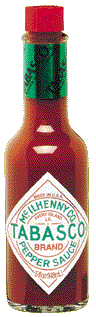
3 Tbsp. of cayenne pepper sauce (hot sauce, Tobasco, whatever you've got. Tone this back a bit if you're wimpy to spice)

4.5 oz. of artichoke hearts (8 pieces of heart, approx.)

1 Tbsp. extra virgin olive oil

1 clove of garlic

3/4 cup part-skin mozzarella cheese

2 Tbsp. parmigiano reggiano cheese

1 kiwi fruit

One palmful each of blueberries, blackberries, raspberries and red currants

1 Tbsp. fresh cilantro

To taste salt, pepper, and additional herbs for the fruit salad (I grow basil and had some leftover sage, so that found its way in there too)

Let's get the berry salad ready so it can chill in the fridge. Skin and chop that kiwi, put it in a bowl. Add the berries (all of them). Chop that cilantro and whatever other herbs you'd like to toss in there and then stir it. Cover it with something and set it in the refridgerator to chill.

Next, sear that chicken. Season it liberally on both sides and get it down in a hot skillet for 5 minutes a side, longer if it's a larger breast. Don't overcook it...remember you can always put it back in the pan if it's still pink, but you can never go back once it's dry and overdone. After the chicken cooks, cut it into cubes.

Melt your butter in a bowl in the nuke box and add 2 Tbsp. of the hot sauce, stir to combine. Add the chicken and toss to coat. Set it aside.

To make that sauce, mix the tomato puree with your remaining 1 Tbsp. of hot sauce, add your olive oil, grate in the garlic into it, season as desired and stir well. No need to cook it, the oven will warm it for you. Set it aside.

Grate your mozzarella and parmigiano and toss your artichoke hearts with a little oil and seasoning. Now we're ready to build!

My baking sheet fit two flatbreads perfectly, I wish a similar coincidence for you. Place two flatbreads on a baking sheet, spread the sauce out evenly over both, sprinkle them with the buffalo chicken, apply the cheese and finally, place an artichoke heart piece on each future slice. If I were to make this pizza again, I think I would break up the "petals" of the artichoke and scatter them over the entire pizza.

Put that in a 375° oven for 10 minutes, chop it into four slices per pie, serve it up on a plate with your fruit salad and voila! You've got a fantastic alternative to a delivery fiasco.

Ever had a frittata? Come back and find out how mine turns out.

Sunday, August 2, 2009

Bratwurst with cremini mustard and caramelized onions


Note: Do forgive the picture, please. I was occupied with some prior engagements at the time of this meal's completion, and as a result, my husband Nik assembled these brats and snapped this shot.

I'm not going to sit here and try to nutritionally justify pork bratwurst. However, I believe satisfying cravings without going overboard is a very important part of this lifestyle change I'm adopting. Few people have the strength of will and resources to completely turn the tables on a Western diet overnight, especially if it's all they've ever really known. So, this is what me caving looks like.

This ain't all bad. In fact, with the exception of the brats themselves, it's pretty good.

Onions are an excellent source of Vitamin C in addition to B6, Folate (B9), Manganese and fiber. They're also a potent anti-inflammatory.

Mustard actually has moderate amounts of many nutrients, particularly Thiamine (B1) and Selenium. It even has some fiber (which honestly surprised me). Plus, a good mustard will clear your sinuses, woo!

I put this brat on a whole wheat bun, but I'll save my rant on that for another post.

Now, let's indulge.

This recipe will make 4 well-dressed bratwursts:

4 pork bratwursts

4 whole wheat hot dog buns

1/2 of a red onion

1/2 cup of cremini mustard (1 rounded spoonful of mayonnaise, 1 rounded spoonful of hot Chinese mustard, 3 spoonfuls of creamy Dijon mustard, and 2 chopped and sauteed cremini mushroom caps)

At least it's easy! Start with what takes the longest, caramelizing your onions. I'll admit a shameful secret here...I've yet to obtain that marmalade-like, gooey texture with my caramelized onions that I've seen on cooking shows. I'm not entirely sure what I'm doing wrong, but I'm getting closer each time I attempt it. I'm almost certain it's a lack of patience.

That cremini mustard is a lot simpler. Chop and sautee your mushrooms (they don't need salt, trust me), add them to the other ingredients and stir to combine.

Grill off your brats, toast your buns, top them as desired, and you're done!

Tomorrow, we're back on track with fresh, colorful whole foods. I bought some fresh red currants today on a whim, we'll see where that goes.

Saturday, August 1, 2009

Spicy Thai peanut stir fry


There, short and sweet little title. That picture is the stir fry still in the wok, there isn't much plating to be done with a stir fry, and eating it piping hot is a lot of why it's so great.

This is a pretty simple recipe, partly because I was fortunate to find some store bought sauces that I approved of (ingredients detailed below). But, before we get into the tasty details, let's see what flavors of nutrition our participants bring to the party.

Broccoli Stems, while not as phytonutrient rich as their florets (you can generally tell where a plant has its nutrients most heavily invested by where its colors are most intense), are definitely worth eating. Found throughout the entire broccoli plant are chemical compounds called Indoles (warning: that article even made my nerdy brain hurt a little) which have been linked to reduced risk of several different types of cancer.

This particular compound has piqued my interest as of late, so you'll see more recipes with cruciferous vegetables as soon as I can come up with some clever ideas to make them taste good (no offense to them, but they can be tricky).

On to the Zucchini! Not only is this versatile veggie rich in Vitamin C, B6, Riboflavin (B2), Folate (B9) and several minerals including Potassium and Manganese, but I heard on NPR recently (sorry I don't have a source for you to look at) that it's been linked to reducing the risk of endometriosis, which I unfortunately have a very strong family history of.

Peanuts, which are actually a legume and not a nut, are very high in Vitamin E, every B vitamin except B12 and many minerals.

Went a tad heavy on the science there. Let's deglaze this post with the ingredient list. This will make two perfect portions:

1/2 cup of stir fry noodles (whatever you like, egg noodles, wheat noodles, etc.)

1 Tbsp. of sesame oil

1/2 of a medium zucchini

1/8 of a red onion

1 clove of garlic

1 large broccoli stem

2 cremini mushroom caps

1 chicken breast

1/4 cup of Thai peanut sauce (Read the ingredients! Mine had [in order] tamari soy sauce, peanuts, organic sugar, water, apple cider vinegar, sake, honey, rice vinegar, garlic powder, salt, spices, lemon concentrate, canola oil and xanthan gum [a little bit won't kill you]. Couldn't do much better if I made it myself. Avoid any products with preservatives, things you don't understand or can't pronounce, and anything with high fructose corn syrup)

A few dashes of chile pepper sauce (Again, read the label. Mine had red chiles, water, sugar, garlic, vinegar and salt. Nothing wrong with that! Adjust the amount based on how spicy you like it)

To taste salt, pepper, whatever else you'd like.

I thought about a squirt of lime juice on the tail end of this endeavor, but I decided against it at the last minute. You can add some fresh peanuts or some crunchy rice things for some texture.

A great stir fry is a lot about mise en place, which basically means having everything prepped, organized and ready to cook. So, mince your garlic, dice your onion, chop your zucchini, thinly slice your broccoli stem and mushrooms, boil off and drain your noodles and thinly slice your chicken breast.

Got that? I'll wait.

Okay, now get your wok going on medium heat, add the sesame oil. Ready? Because the stir fry train doesn't stop once it gets going. Add your chicken, season it, cook it through. Remove it to a clean bowl (you don't want it to overcook, that's why we're taking it out).

Now, add the onion, sweat it for a minute, stiring consistantly. Add the garlic, keep tossing. Add your zucchini, depending on how thick you chopped this, you may want to cook this for up to 5 minutes to get it tender. Add a little of the peanut sauce here, dash of the chile sauce. Add your broccoli stems next, add a little more sauce, cook for a couple minutes. Add your mushrooms next, little more sauce, cook for a minute or two. Next, add the noodles, stir them into the veggies, add a little more sauce, cook for a minute. Finally, add the chicken, the rest of the sauce, stir well.

Now taste it. Does it need more spice? More salt? More pepper? Don't trust your sauce to do all the work for you.

Taste good? Great? So amazing that even your husband who has a known dislike of peanut sauces and had no faith in this recipe before the moment it hit his tongue praises it highly and asks for seconds? Ha! In your face!

Tomorrow, we're grilling up a Deutschland classic. Should be impressivo.

Friday, July 31, 2009

Steak lasagna with red wine mushroom marinara sauce and balsamic parmigiano roasted cauliflower


That title is a mouthful. Just a warning, while the basis of this recipe is healthy, and it is whole food, it is definitely not low calorie. We're dealing with a lot of cheese here. But, wow...is it ever tasty.

I'm slipping into a Cabernet-and-pasta coma as I type, so let's get into why this hearty dish is a good idea:

Tomatoes, especially when cooked, are genuinely stupid good for you. Honestly, it's too many nutrients to list here, I'd encourage you to click the link. Cooked tomatoes are also very rich in an extremely potent antioxidant called Lycopene. Most nutritionists will tell you that you should be eating a meal with cooked tomato sauce at least once a week (you better believe I do, but mostly because it's freaking delicious).

Mushrooms are in the same vein as tomatoes in terms of nutritional richness and diversity. They have protein, several B vitamins and every essential mineral (except calcium).

Red Wine, in addition to being very tasty, contains a chemical compound called Resveratrol which is being touted as an anti-aging miracle by emerging research. Effects such as cancer prevention, anti-inflammation, lower blood sugar and life extension have been observed in animal test subjects who were treated with it. Could be the next big thing.

Cauliflower...ah, so hated, so mistreated. Poor thing. Fortunately, I've got a few tricks that will make you love this uber nutritious veggie you may have hated as a kid. Cauliflower is particularly rich in Vitamin C, Vitamin K, B6, Folate, every essential mineral, and of course fiber.

Now, I could brag about the fresh herbs and the olive oil, but I think this justification has gone on long enough. Let's cook!

This recipe will make two servings (plus two additional servings of lasagna for leftovers):

6 lasagna noodle sheets

1 cup organic tomato puree

5 cloves of garlic

6 cremini mushroom caps

4 oz. top sirloin steak

3/4 cup part skim ricotta cheese

1 shallot (red onion works too, I just used mine up on that tandoori chicken marinade)

1/2 lb. cauliflower florets

2 tsp. balsamic vinegar

1/2 cup grated parmigiano reggiano cheese

6 slices (1/5 lb.) of extra sharp provolone cheese

Couple good glugs of red wine (I used Cabernet Sauvignon)

1/4 cup of extra virgin olive oil

1/2 cup of chopped fresh basil

1 Tbsp. fresh chopped sage (this is optional, I'm just trying to use it up, and it works here)

To taste salt, pepper, red pepper, coriander, whatever you like

Prep, prep and more prep. Mince your garlic and shallot, slice your mushrooms, oil and season your cauliflower florets and set them aside on a baking sheet. Put a large pot of water on to boil and get a medium sauce pot on medium low heat, little oil in the bottom.

In that medium sauce pot, add the shallot, then most of the garlic (you're saving some for the ricotta). Sweat that a bit, then add your mushrooms. Mushrooms like to suck up all the liquid in a pan, so if you need more oil, add it. Don't salt them, but you can add pepper, coriander, whatever else you would like while they brown.

While those work, you can slice your steak and prepare the ricotta. Slice that steak as thin as you can get it, carpaccio style, the roll it around in some salt, pepper and whatever else you see fit. Set it aside.

In a bowl, work your ricotta, 1/4 cup of the parmigiano, a little bit of those herbs and the rest of the garlic together with a fork, set it aside.

Now your mushrooms should be good and brown. Go ahead and add a glug or two of that wine and crank the heat. You need it to reduce to a syrupy consistency. When that happens, add your tomato puree, the rest of your herbs, a little fresh olive oil and kill the heat.

Briefly boil your lasagna sheets in that water (I salted my water first), drain them and immediately separate them.

Assembly time! Get yourself a 9x9 baking pan (preferably glass). Sauce on the bottom, two sheets, ricotta, steak, sauce, provolone, two sheets, ricotta, steak, sauce, two sheets, sauce, provolone on top. Now, is there a method to my madness? Nope! You can put this together however you'd like. That was just what I did, purely by chance.

Put that in a 400° oven. In fact, put your cauliflower in there too. The lasagna gets 15-20 minutes (until the cheese browns). After that, take it out and let it cool before you cut into it, you'll regret it if you don't. When you take the lasagna out, take the cauliflower out as well. Turn the florets, baste them with the balsamic vinegar and sprinkle the remaining parimigiano cheese on top. Set them back in the oven for 5-10 more minutes.

And hey, your lasagna is adequately cooled when your cauliflower is perfectly roasted! Love that timing.

To plate, pop yourself out a nice slice of that lasagna, spoon your cauliflower right up next to it and drizzle a little extra virgin olive oil over the top it it all, if you like.

Tomorrow, we're globetrotting over to Thailand. Do come back.

Thursday, July 30, 2009

Dijon parmigiano seared sockeye salmon with gnocchi in a brown butter sage sauce


Edit: Here's the photo!

Unfortunately, my digital camera card reader is swimming in a big bucket of fail sauce, so the resplendent photo I snapped of this dish tonight won't be seen 'til I can swing by Best Buy and pick up a new one (P.S. screw you, Wolf Camera). But it was a rocking plate and I will definitely post it.

This was actually an incredibly simple meal to prepare. I encourage any budding chefs that may be reading this blog to really consider trying this one out.

First and foremost, why this dish loves your brain:

Wild Sockeye Salmon, as many people have figured out, are extremely rich in Omega-3 fatty acids, but you may not know that they also have loads of Vitamin B12 (enough for a whole day's supply in one serving) in addition to decent and high amounts of every other B vitamin. Oh, lots of Selenium, Phosphorus and Potassium, too. Salmon is also a powerful anti-inflammatory.

Potatoes, from which gnocchi are made, while not so fabulous for you when a certain purveyor of nastiness McFries them, are much better for you when mixed with a little flour and served in pillowy dumpling form. They're a great source of B6, Vitamin C and Potassium and have respectable amounts of many other nutrients.

Sage has a ton of Vitamin K in it as well as smaller amounts of several other nutrients, even a little bit of fiber.

Butter...um, well...if you click that link, I'll admit that the tale looks a bit grim. But if I may present another piece of evidence, you may be more persuaded to let a little buttery love slip into your diet without guilt. Just keep your calories in check like the French do, maybe follow it with a glass of red wine, and I say you'll be fine. So does Michael Pollan.

Let's cook!

This makes two servings:

1/2 cup of prepared gnocchi (they very often sell this in the pasta aisle of your grocery store, it may also be refrigerated or frozen. I have made gnocchi many times before, and I can tell you it's not hard, but it is time intensive and this little bit of help from the store was much appreciated)

3/4 lb. of wild Sockeye salmon filet

2 Tbsp. of Dijon mustard

1 Tbsp. of grated Parmigiano-Reggiano cheese

2 Tbsp. of unsalted butter

1 Tbsp. chopped fresh sage

To taste salt, fresh ground pepper, whatever else you'd like

That's it! Not bad, huh?

Baste your filet with that Dijon on both sides, season it with salt and pepper, and add the cheese to presentation side of the fish (this is the side you cook first, it gets the best sear and generally ends up nicer looking than the other side). Set that aside for now.

Get some water on to boil. Cook the gnocchi according to the package directions, or until they float to the surface. Remove them with a slotted spoon (save that water) into a bowl and set them aside.

Heat up two pans now, one large non-stick pan for your fish (oil it well, medium heat) and a smaller skillet to brown your butter (medium low heat).

When your larger pan is hot, add your fish (remember, presentation side down first). Not gonna lie, I did not cook this fish all the way through, I did it 'til about a medium, 4 minutes per side. This fish is too good to overcook. Think of it like a sushi grade tuna.

Melt your butter into the smaller skillet and let it foam. It will start to brown, which you do want, but once it gets brown turn the heat down as low as it goes and add your chopped fresh sage. You'll want to add a splash of the starchy gnocchi cooking water now. Couple pinches of salt, little pepper.

Toss your sauce with the gnocchi and get it on the plate, letting a little spill around it. Pile the fish next to it, garnish in the middle with a little fresh sage.

This dish had remarkably clear and clean flavors and incredible depth considering how few ingredients were involved.

Tomorrow, we're doing a little Italian fusion. Do come back.

Wednesday, July 29, 2009

Tandoori chicken with roasted roots in a ginger lime oil and basmati rice


Okay, so this ended up drifting more toward India than I expected when I stepped out on this culinary limb, but I am more than satisfied with the result. Marinating that chicken for 24+ hours really made its flavor intense, it was very unfamiliar and exciting to my palate.

Before we get into the recipe, let's take a gander at why this dish rocks your body:

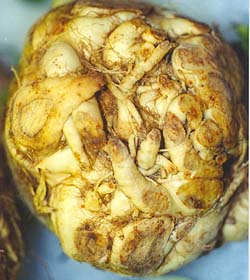
Celery Root, while terribly ugly before a good peeling, is quite good for you. It's rich in manganese, magnesium, Vitamin C, potassium and a couple B vitamins. And of course, plenty of fiber.

Radishes are a fab source of Vitamin C, Folate (B9) and Potassium, as well as fiber. They're also incredibly low in calories; an entire cup of sliced radishes contains only 19 calories.

Ginger, while not too nutritionally useful in the quantities seen here in this recipe, has been used medicinally for centuries to ease stomach ailments, cure nausea and reduce inflammation in the body.

Fun fact: Jains do not consume root vegetables for religious reasons.

Alright! Enough of all that jazz, let's get cooking.

Well, let's get marinating first.

This will successfully marinate 4 chicken thighs:

1 cup of Greek yogurt

1/4 of a red onion (chopped)

6 garlic cloves (smashed)

1 tps. turmeric

1 tsp. smoked paprika

1 Tbsp. ground caraway seeds (toast them before you grind them)

1 tsp. salt

1/2 tsp. fresh ground black pepper

1/2 tsp. ground cumin

1/4 tsp. cinnamon

Put all that stuff in a large resealable plastic bag, smoosh it around a bit to mix, then add the chicken and give it another smoosh. Place the bag in a mixing bowl or a tupperware container or something to protect your fridge in case it leaks.

Let that groove for a day or so.

Okay, here's what you'll need for rest:

1 celery root

5 medium radishes

1/3 cup of basmati rice

A one-inch knob of fresh ginger

1/4 inch slice of lime's worth of juice

2 Tbsp. extra virgin olive oil

To taste salt, pepper, whatever other spices you'd like to use

Before you do anything, take your chicken out of the fridge, remove it from the marinade and set it aside. You need to get the chill off of it a bit.

Preheat your oven to 400° and start prep on those roots. Take all the brown stuff off of that celery root with your knife (be careful, it's dense and can be difficult to slice). Chop it into half-inch cubes. Rinse, dry, chop the ends off of and quarter your radishes.

Transfer your roots to a baking sheet, drizzle a little oil on them, salt and pepper, toss to coat. Those will go in your oven for 20-25 minutes, you should probably stir them around a bit about halfway through the cooking for even browning.

While the roots are roasting, you can start your rice and make your yummy oil. Cook your rice according to the package directions, it should take at least 15 minutes if not 20 or more. I would season your water with a couple pinches of salt at the very least, you can add other spices if you like, but basmati is pretty tasty without help. Check it while it's simmering to make sure you don't need to add more water (burnt rice will ruin your day, believe me).

To make the ginger lime oil, combine about a Tbsp. and a half of extra virgin olive oil with the grated ginger, lime juice and black pepper. Set that aside to get happy.

Heat a heavy skillet (used my trusty cast iron here) to about medium. I took the time to fish out my garlic and onions from the marinade and pan roasted them real quick in a little oil to combine with the roots when they came out of the oven, totally optional, I just hate to waste good garlic. After that, should you choose to do it, re-oil the skillet and add your chicken. 5 minutes per side, standard.

To plate this beauty, plop some rice in the center of the plate, surround it with your roots, pile the chicken on top and spoon that oil on to your roots, maybe a little on the chicken too. This recipe makes two healthy helpings.

I lucked into the last day of a sale on Sockeye salmon, so I snatched up a heaping filet of it and will be making use of it in tomorrow's fun. Do come back!